
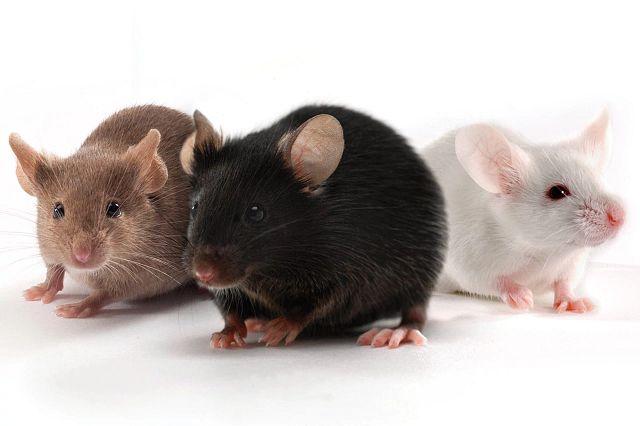
Immunology is entering a new technological era. From humanized mouse models and organ-on-chip systems to multi-omic sequencing and spatial transcriptomics, researchers now have unprecedented ways to observe and manipulate the immune system, cell by cell and molecule by molecule. A new Nature Index 2025 Immunology report spotlights how these innovations are redefining experimental design, data analysis, and translational discovery across the field. THX mice: Bridging the gap between humans and models Despite decades of refinement, conventional mouse models have always fallen short of replicating the intricacies of human immunity. Mice possess over 1,600 immune-response genes that differ from their human equivalents, limiting their predictive power in vaccine and immunotherapy studies. Now, a new humanized model known as THX mice is closing that gap. THX mice are engineered with human stem cells that give rise to key immune components, including lymph nodes, antibodies, and T and B cells. When vaccinated with mRNA COVID-19 vaccines, these mice mounted strong antibody responses, offering a realistic platform for studying human immune reactions. The model is already gaining traction internationally. THX mice promise to be cost-effective, scalable, and highly translational, potentially becoming a new standard for preclinical immune research. Organ-on-chip and organoid systems: Beyond animal models A revolution in experimental immunology is underway as scientists move toward miniaturized human systems that mimic real organs and tissues. Using organoid and organ-on-chip technologies, researchers can now simulate the immune interactions of the gut, liver, lung, and reproductive tract, without relying on animal testing. Researchers have built sophisticated gut models to study microbiome–immune interactions and inflammatory signalling, as well as models of endometriosis and pancreatic cancer. Such human-relevant systems are reshaping both basic immunology and drug discovery. This shift is accelerating: the U.S. National Institutes of Health (NIH) recently announced that it will no longer fund projects solely reliant on animal models for human disease, prioritizing human-based systems instead. The U.S. Food and Drug Administration (FDA) has followed suit, endorsing organoids and human cell cultures for safety testing. These policies reflect growing recognition that animal studies often fail to predict drug efficacy and toxicity in humans. Single-cell sequencing and beyond: Seeing the immune system in high definition Single-cell RNA sequencing (scRNA-seq) has transformed immunology by revealing gene expression in individual cells — uncovering cellular diversity that bulk sequencing once masked. Over the past decade, it has become indispensable for mapping immune landscapes in health and disease. Now, researchers are pairing scRNA-seq with complementary tools for deeper insights:
- CITE-seq simultaneously identifies cell-surface proteins and RNA, helping researchers classify three main natural killer (NK) cell types and design new multi-targeted NK cell therapies for resistant cancers.
- ATAC-seq reveals which DNA regions are accessible for gene activation, allowing scientists to trace the molecular roots of acute myeloid leukemia relapse after treatment.
- Perturb-seq, which integrates CRISPR gene editing with scRNA-seq, enables large-scale genetic perturbation screening. Researchers have used it to identify key host genes exploited by SARS-CoV-2, paving the way for future antiviral therapies.
