
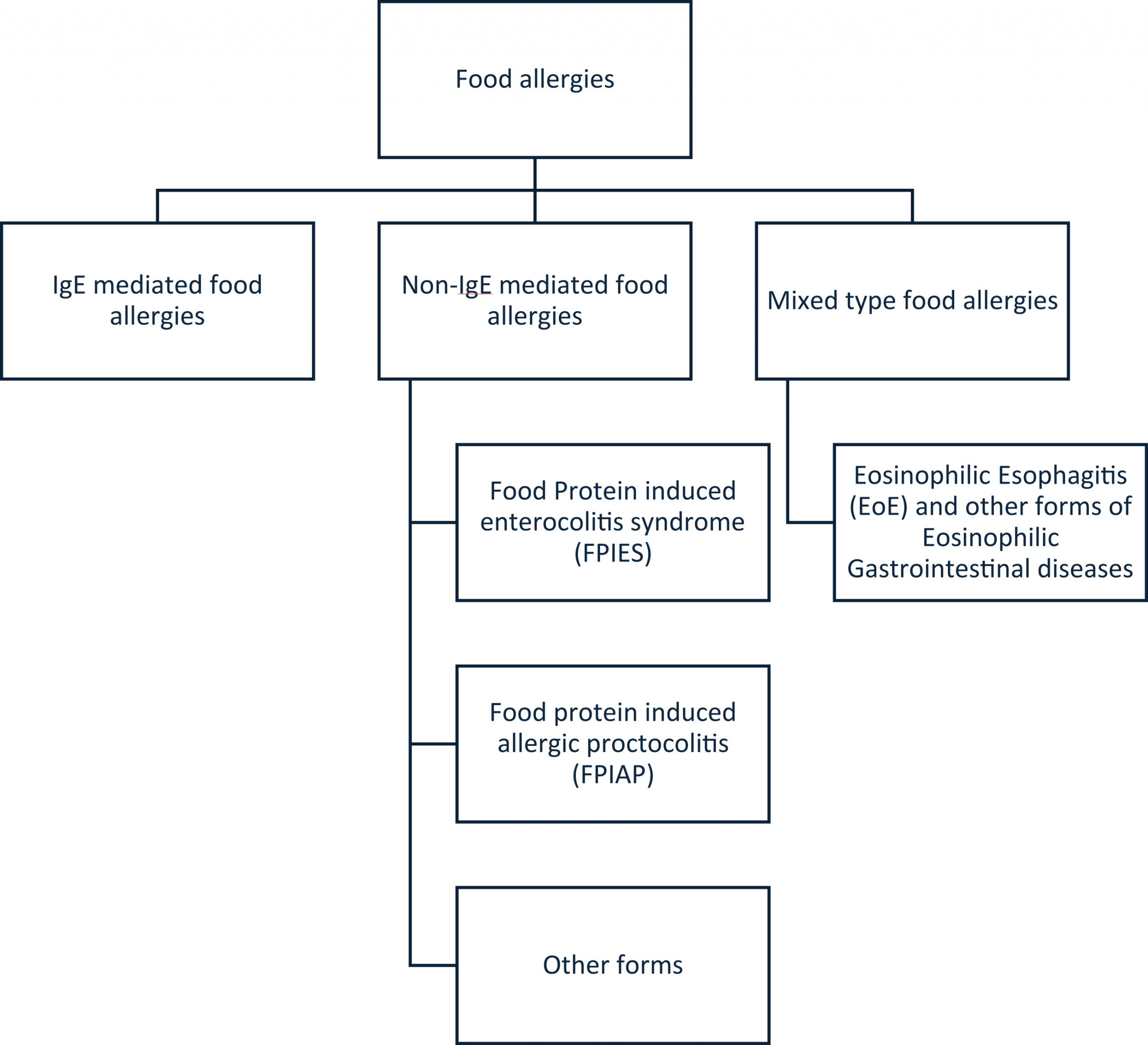
New ANAcare report offers clinicians a practical roadmap for accurate, consistent diagnosis of IgE-mediated food allergy (Figure 1).
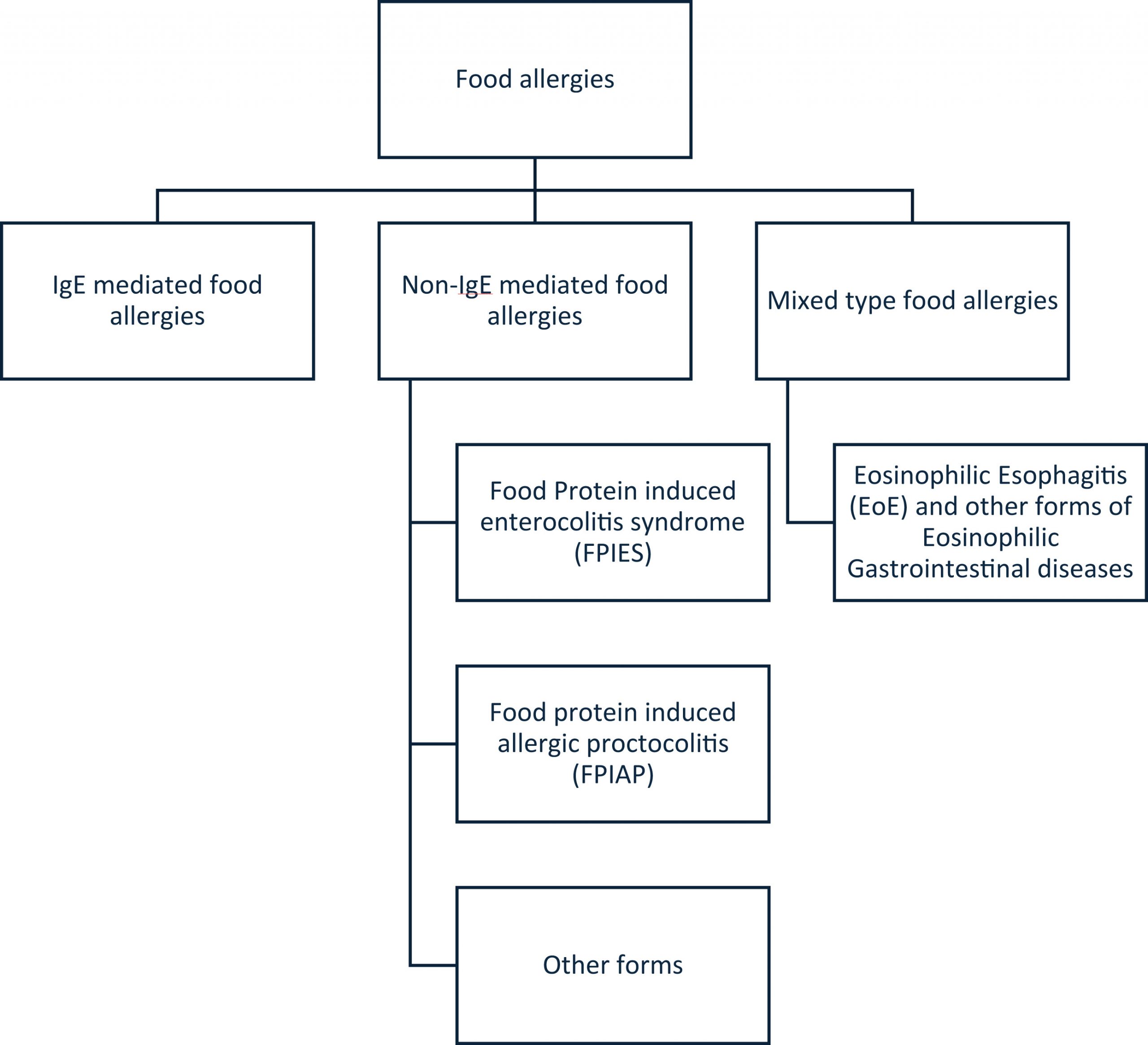
Figure 1: Typology of IgE-mediated, non–IgE-mediated, and mixed-type food allergies.
- Differences in test availability and laboratory access
- Variation in clinical thresholds for performing oral food challenges
- Staffing limitations and resource constraints
- Local traditions or preferences in diagnostic practice
- Structured guidance for taking a detailed allergy history
- Standardized advice on when and how to use sensitisation tests
- Clear criteria for deciding when oral food challenges are essential
- Emphasis that sensitisation ≠ clinical allergy, reinforcing the need to link test results with symptoms
- Shortage of trained allergy specialists
- Limited capacity to safely perform oral food challenges
- Variability in testing quality and interpretation
- Differences in reimbursement or national health policy
